
Boiler & Generator Emission Testing: Why Stationary Source Testing Matters
Learn why boilers, generators and other fixed emission sources require monitoring and how stationary source emission testing supports environmental compliance.
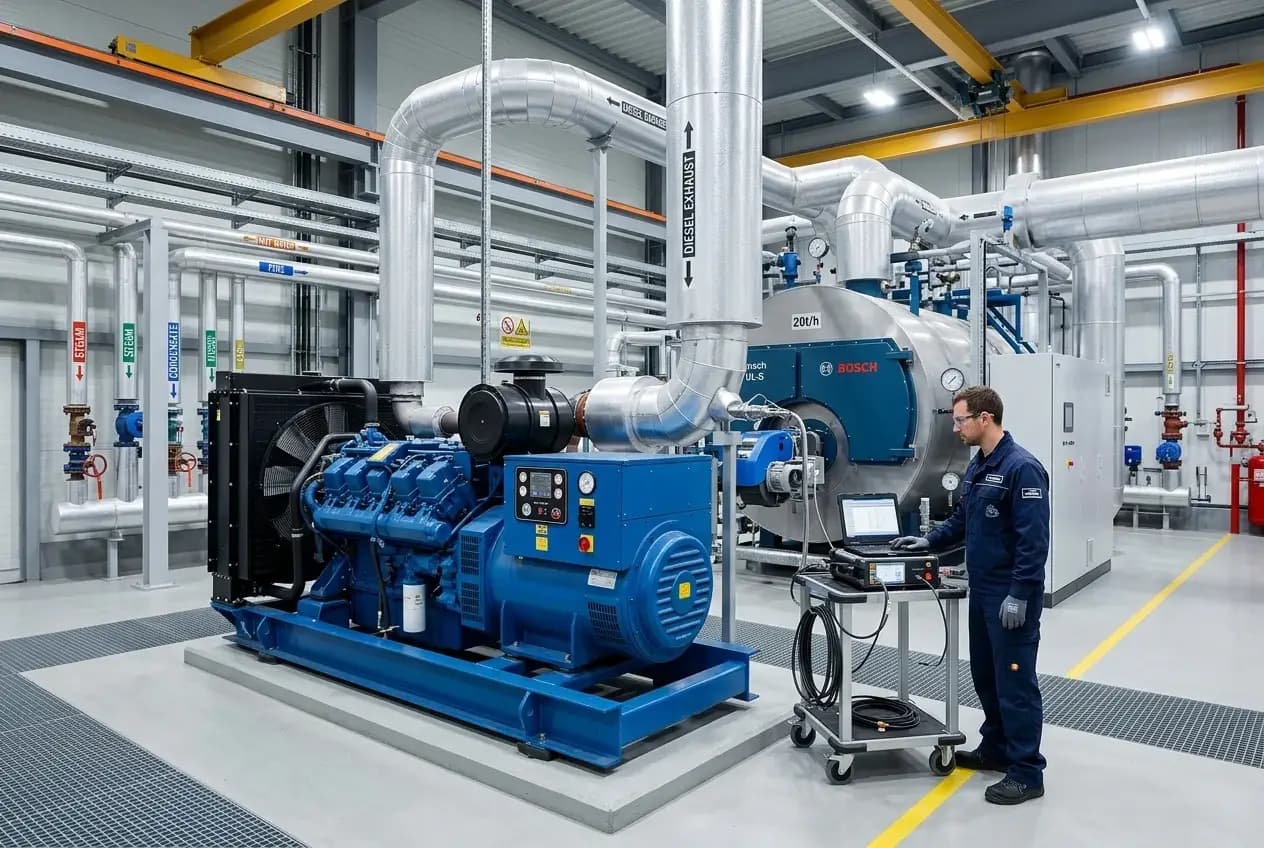
Boilers and generators are important emission sources
Many industrial facilities depend on boilers, generators and other combustion equipment for production and utilities.
These systems can release gases and particulate matter into the atmosphere. For this reason, stationary-source emission testing is an important component of environmental monitoring.
The CEA specifically regulates stationary-source emissions under Sri Lanka's environmental regulatory framework.
What is stationary source emission testing?
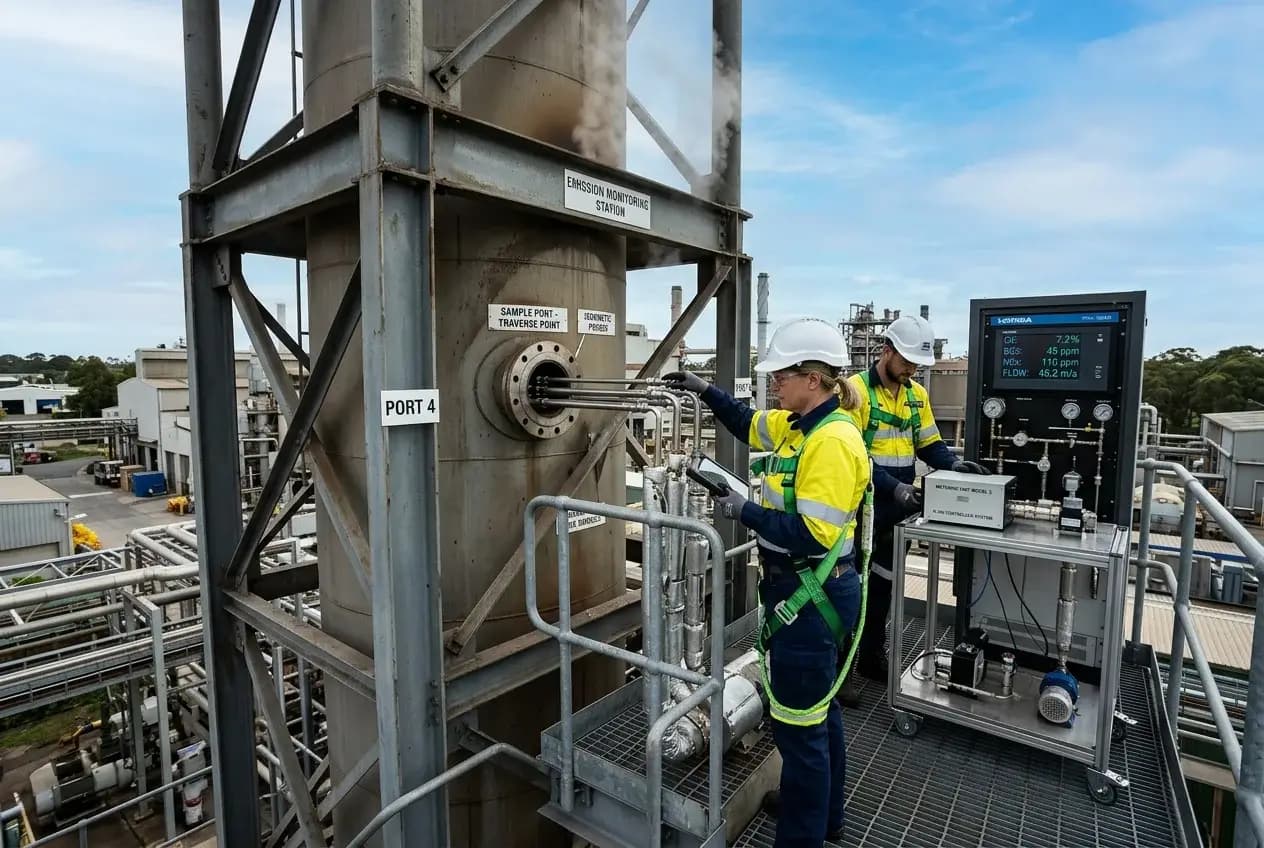
Stationary source emission testing measures pollutants released from a fixed emission source. Unlike mobile-source testing, the assessment focuses on equipment that remains in a defined location.
Examples include:
IW Labs provides stationary-source emission testing for fixed sources and states that its assessments can measure gases and particulate matter according to source characteristics and applicable requirements.
Why should boilers be tested?
Boiler performance can influence emission levels.
Changes in:
can affect the resulting emissions.
Testing provides measured data instead of relying only on assumptions about equipment performance.
Generator emission testing
Generators may be used as primary or backup power sources.
Although operating schedules vary, emission monitoring may become relevant where generators form part of an industrial operation or where applicable environmental requirements require assessment.
Testing is more than collecting numbers
A good emission testing programme should result in useful information.
The final report can help management:
How IW Labs approaches stationary-source testing
IW Labs describes its stationary-source emission service as a customized programme based on source characteristics, fuel type, operating conditions and regulatory requirements.
This is important because two facilities using similar equipment may still require different testing approaches.
When should a facility consider emission testing?
Testing may be appropriate when:
If your facility operates boilers, generators or other fixed emission sources, speak with IW Labs about a suitable stationary-source emission testing programme.
IW Labs is a specialist environmental testing laboratory. Get in touch to discuss your testing scope, parameters, and reporting requirements.