
Stack Emission Monitoring in Sri Lanka: What Industries Need to Measure
Understand stack emission monitoring, why industrial facilities test stack emissions, what parameters may be measured, and how testing supports environmental compliance.
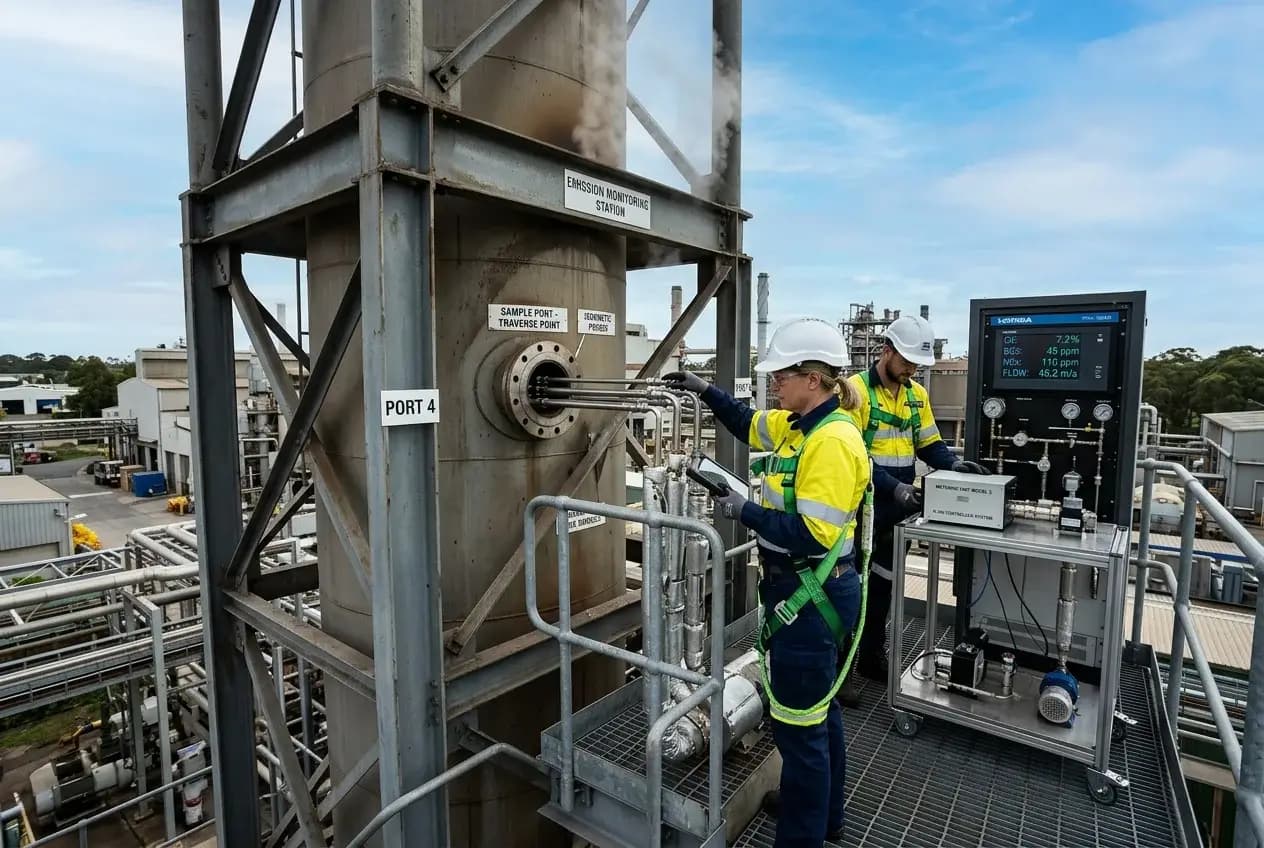
What Is Stack Emission Monitoring?
Industrial processes can release gases and particulate matter through exhaust stacks. Measuring these emissions provides businesses with information about what is being released into the atmosphere and whether operational controls are working effectively.
The CEA identifies stationary-source emissions as an important area of environmental regulation in Sri Lanka. Its Air Resource Management and Monitoring Unit is responsible for regulating stationary emission sources alongside ambient air quality and noise-related environmental management.
Which facilities may need stack emission monitoring?
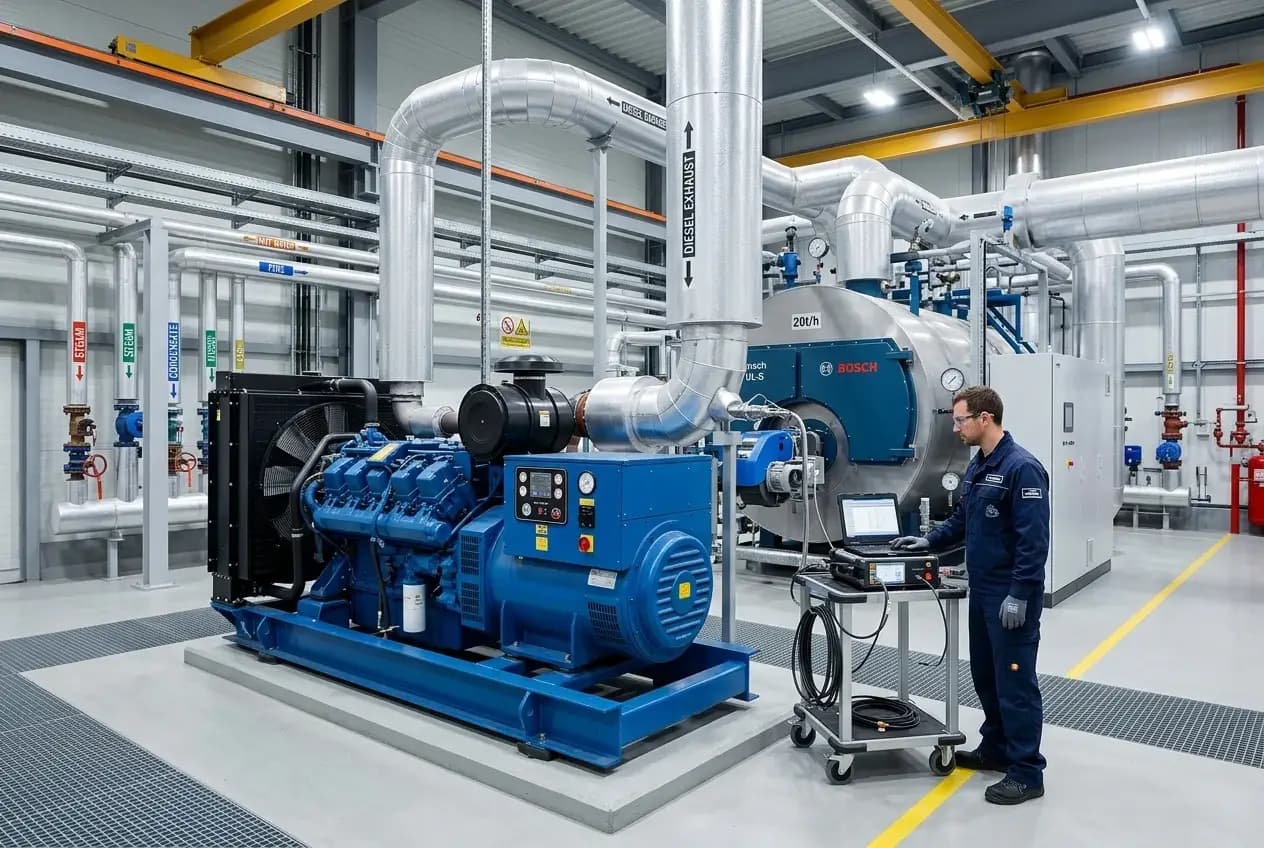
Stack emission monitoring can be relevant to facilities operating equipment such as:
The exact monitoring requirements depend on the facility, process, source characteristics and applicable regulatory requirements.
What can be measured?
Depending on the testing programme, stack emission assessments can involve gaseous pollutants and particulate emissions.
Potential parameters may include:
The parameters should be selected according to the source and applicable requirements rather than using the same test panel for every facility.
Why is stack emission testing important?
There are three major reasons.
1. Compliance
The CEA identifies stationary-source emission controls and applicable standards for prescribed industrial activities.
2. Environmental performance
Testing helps businesses understand the actual emission profile of their equipment.
3. Operational decision-making
Unexpected emission results can indicate problems with combustion, fuel quality, process conditions or pollution-control equipment.
What happens during stack emission monitoring?
A professional monitoring programme should consider the characteristics of the emission source, stack configuration, operating conditions and appropriate testing methodology.
IW Labs states that its stack emission monitoring services can assess gases and particulate emissions from industrial stacks, including process exhausts, boilers, generators and treatment systems.
Why testing should be performed under representative operating conditions
A measurement only becomes useful when it represents the actual operation being evaluated.
For this reason, testing should consider:
Stack emission monitoring with IW Labs
IW Labs provides stack emission monitoring with professional sampling, measurement and reporting designed to support environmental audits, regulatory submissions and corrective-action planning.
Looking for stack emission monitoring in Sri Lanka? Contact IW Labs to discuss your industrial emission testing requirements.
IW Labs is a specialist environmental testing laboratory. Get in touch to discuss your testing scope, parameters, and reporting requirements.