
How to Measure Your Company's Carbon Footprint: Scope 1, 2 and 3 Explained
Learn how businesses calculate carbon footprints, understand Scope 1, Scope 2 and Scope 3 emissions, and use emissions data for sustainability reporting.
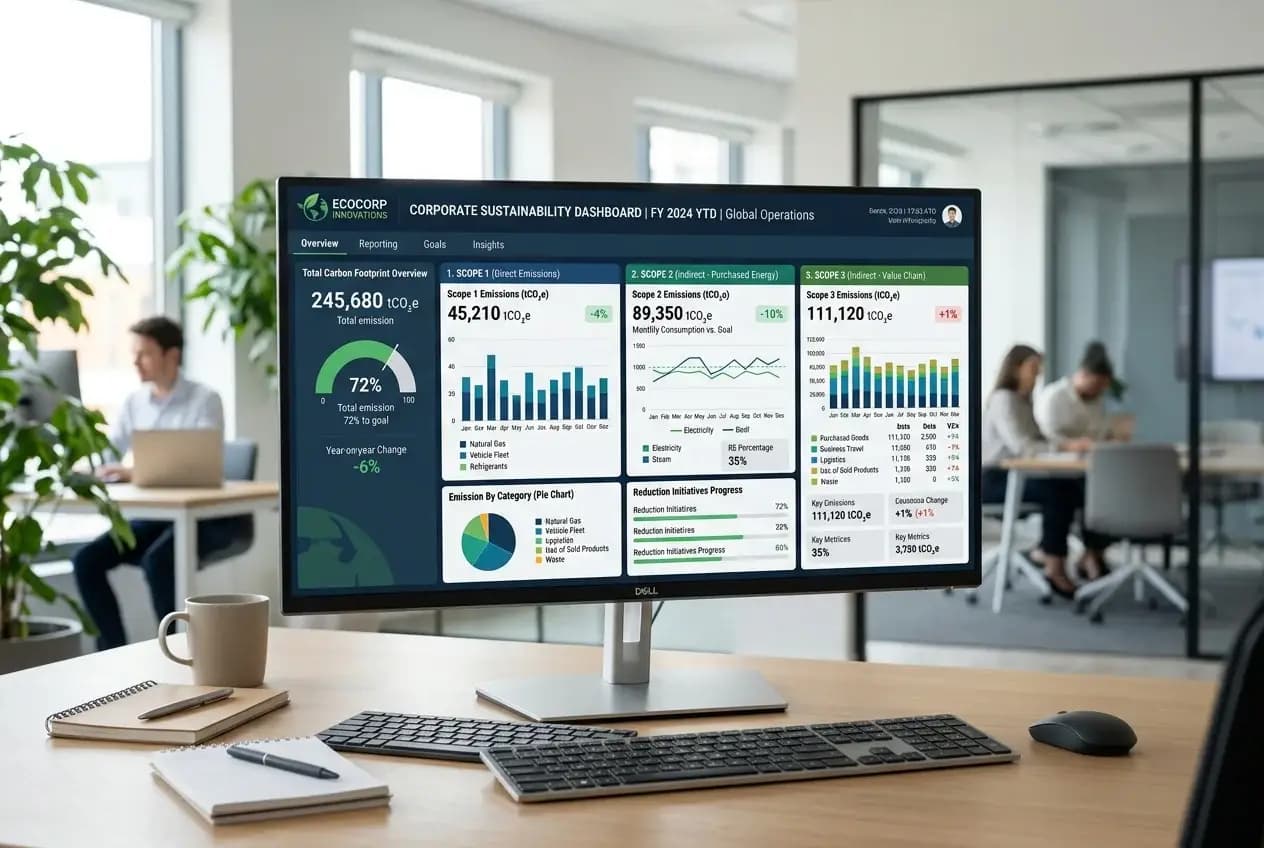
What is a corporate carbon footprint?
A corporate carbon footprint is an assessment of greenhouse gas emissions associated with an organisation's activities.
For businesses, calculating emissions can provide a structured way to understand where emissions originate and where reduction opportunities may exist.
What are Scope 1, Scope 2 and Scope 3?
The three scopes help organise emissions according to their source.
Scope 1 — Direct emissions
These are emissions from sources directly owned or controlled by the organisation, such as fuel combustion in company-controlled equipment.
Scope 2 — Energy-related indirect emissions
These generally relate to purchased electricity, heat or other purchased energy.
Scope 3 — Other value-chain emissions
These can include relevant upstream and downstream activities across the organisation's value chain.
Why does accurate data matter?
A carbon footprint is only as useful as the underlying data.
Businesses may need information such as:
The quality and availability of data can significantly influence the quality of the final assessment.
Carbon footprint and sustainability reporting
Carbon data can support wider sustainability activities.
IW Labs states that its GHG quantification and carbon-footprint services use frameworks including ISO 14064-1:2018 and the GHG Protocol, with assessments covering Scope 1, Scope 2 and Scope 3 emissions.
What can a business do with the results?
A well-structured assessment can help identify emission hotspots.
For example, a business may discover that a significant proportion of its emissions comes from:
Once these sources are understood, reduction strategies can be prioritised.
Carbon footprint calculation is not just about reporting
The real value comes from using the information.
Businesses can use emissions data to:
Carbon footprint services from IW Labs
IW Labs provides GHG quantification and carbon-footprint assessment using recognised methodologies and describes its reporting as supporting ESG, SBTi and GRI-related sustainability objectives.
Ready to measure your organisation's carbon footprint? Contact IW Labs to discuss GHG quantification and carbon-footprint assessment.
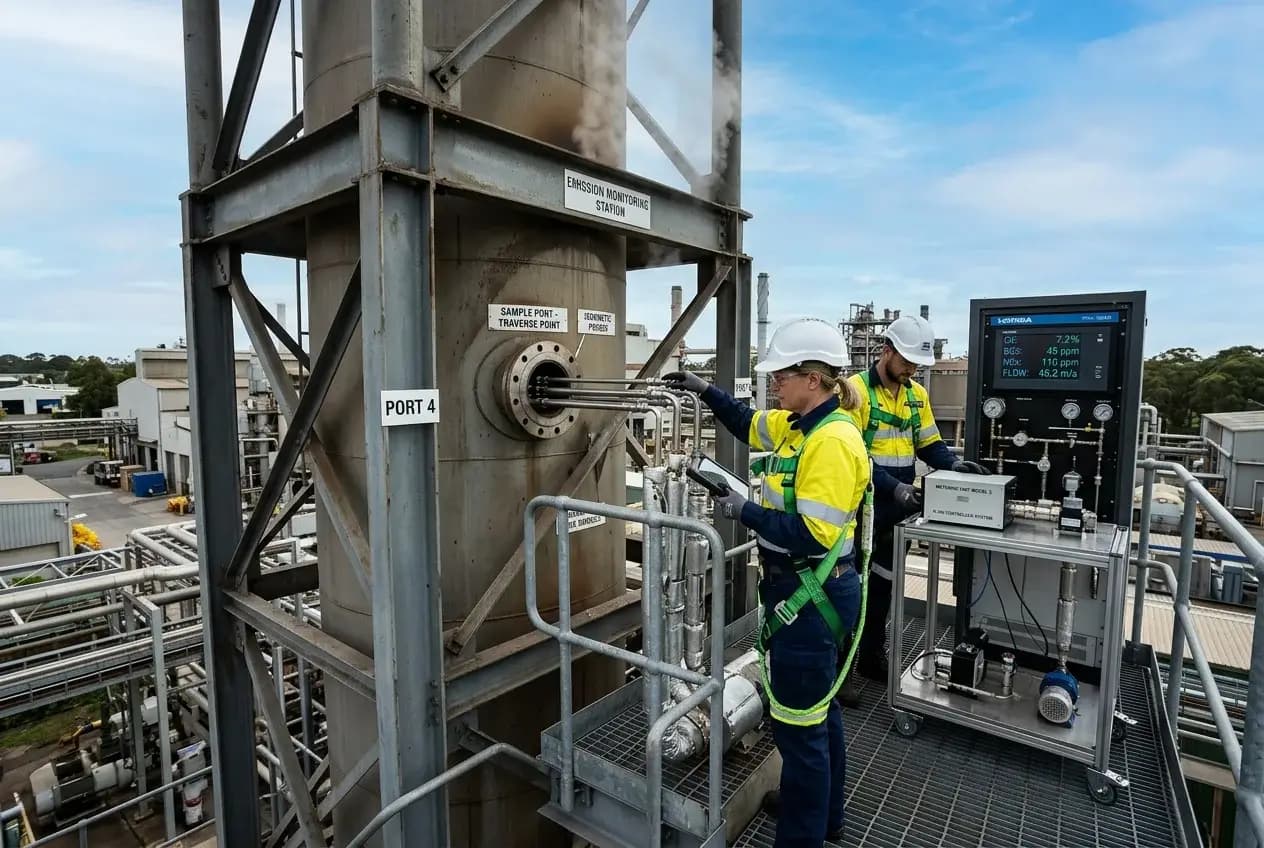

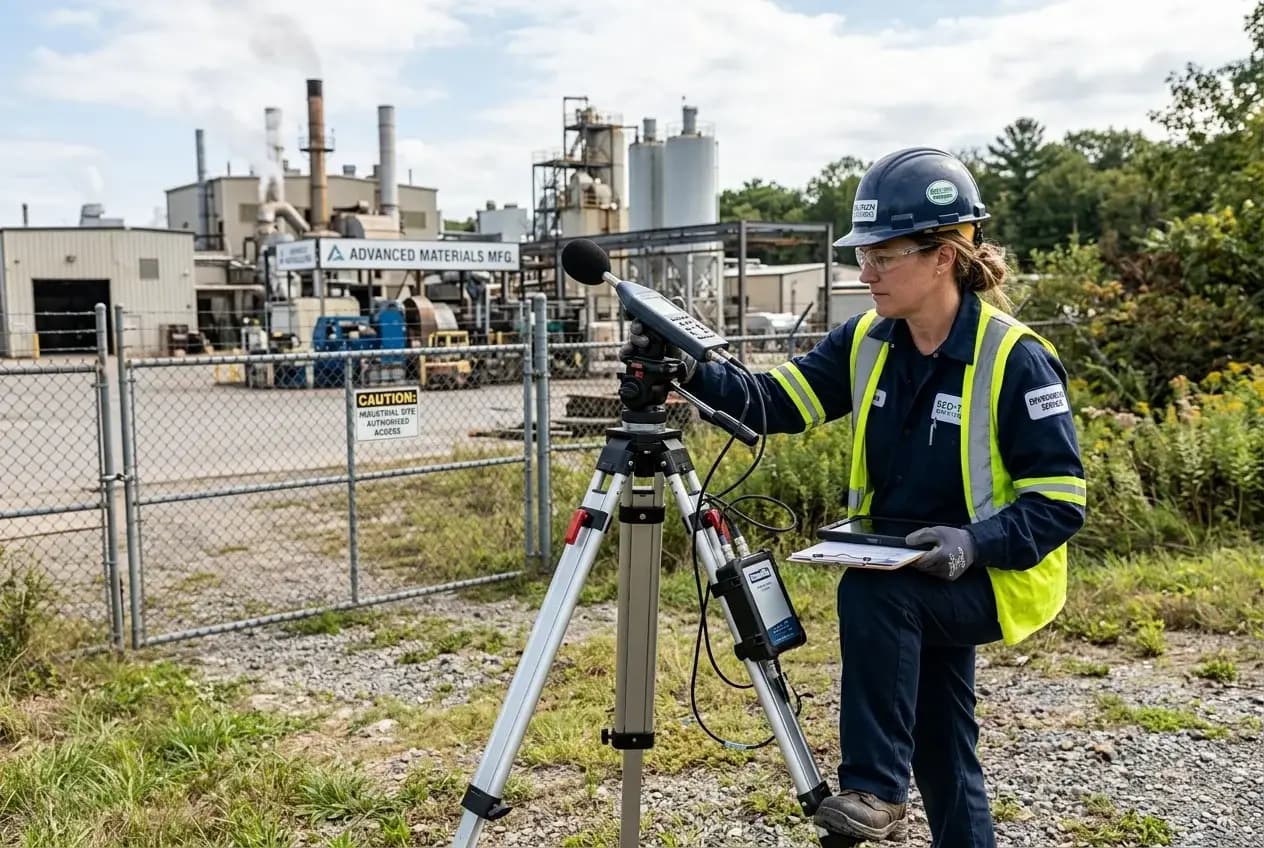
IW Labs is a specialist environmental testing laboratory. Get in touch to discuss your testing scope, parameters, and reporting requirements.